




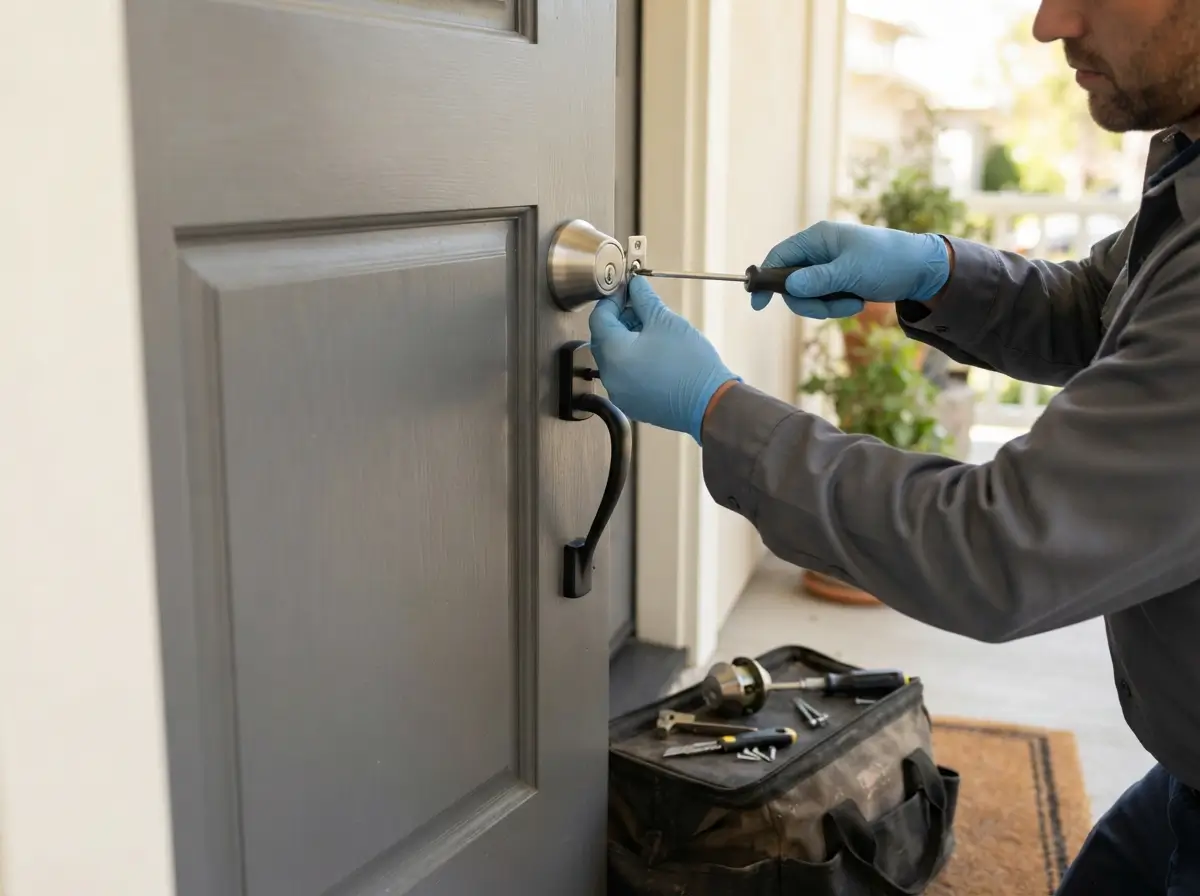
The days between a tenant move-in and move-out are among the busiest times in a landlord’s schedule. If you have a rental property in Texas, it’s not just about making the unit look good for the next tenant. Chapter 92 of the Texas Property Code sets out specific safety duties for every residential rental, and most of them come due at exactly this moment. One wrong decision can cost you civil penalties and attorney's fees.
Key Highlights
- Rekey within 7 days. Under Section 92.156, every key, card, or combination security device must be rekeyed within 7 days after a tenant moves out. That includes keypads and smart-lock codes.
- Landlords pay for required rekeying. You can’t pass the cost of the required rekey to the incoming tenant. A deduction from the security deposit is allowed only for a lease breach, and only if the lease authorizes it in bold or underlined print.
- Some security devices are mandatory. Section 92.153 requires window latches, keyed deadbolts or doorknob locks, keyless bolting devices, door viewers, and sliding door pin locks and handle latches or security bars, even if no tenant asks for them.
- Smoke alarm rules can’t be waived. Alarms are required in each bedroom, in hallways serving sleeping areas, and on each level. Each one must be tested at the start of the new tenancy.
- Documentation protects you. Locksmith invoices, dated test records, and a signed move-in acknowledgment show you complied with Chapter 92.
What Counts as a Tenant Turnover
Texas law defines a turnover date as the day a new tenant moves in under a lease after all previous renters have moved out. If there were several renters in what is considered one unit, and even one stays behind and continues their tenancy, the law does not apply. You are not legally obligated to rekey the rental property.
Rekeying: The Seven-Day Rule
Under Section 92.156, every security device operated by a key, card, or combination must be rekeyed at the landlord's expense within 7 days after the tenant moves out. This includes keycard systems and keypad or smart-lock codes, not just traditional keyed locks.
You can rekey the property before or after the new tenant moves in, as long as it falls within the 7-day window. It’s still best to handle rekeying before a tenant moves in so you can provide new keys along with the welcome packet and reduce security risks. Key points you have to remember are:
- You are responsible for the costs that come with rekeying the property. You cannot pass the expense to the incoming tenant.
- A breach of lease rules allows you to use the security deposit to cover costs. You can deduct a reasonable cost from the deposit, but only if the lease authorizes that deduction in underlined or bold print.
- A tenant can ask for additional rekeying at any time during the tenancy, as often as they like. However, the cost will already be covered by the tenant after the first rekeying you are legally obligated to do.
Security Devices Required Without a Tenant Request
As per Section 92.153, there are certain security devices every Texas rental property must have, whether or not a renter asks for them, which are:
- A window latch on each exterior window
- A keyed deadbolt or doorknob lock on each exterior door
- A sliding door pin lock on each exterior sliding glass door
- A sliding door handle latch or security bar on each exterior sliding glass door
- A keyless bolting device and a door viewer (peephole) on each exterior door
A keyless bolting device is a lock operated only from inside, such as a thumb-turn deadbolt. Chain latches and surface-mounted slide bolts don’t qualify for this requirement. The Property Code states that the bolt lock must have a throw of at least one inch.
The mentioned security features need to work throughout the tenancy, so regular inspections are advised. Instruct your renters to send maintenance requests right away if the locks in the rental property are broken so you can have them fixed immediately.
Smoke Alarms: Install, Test, Document
Texas requires landlords to install smoke alarms in each separate bedroom, one in hallways serving sleeping areas, and on each level if your property has more than one floor. This requirement cannot be waived by any lease, which means a tenant can still hold you responsible whether or not you state in the lease that smoke alarms are not your responsibility.
Add smoke detectors to your inspection checklist during tenancies and turnovers. You must confirm each smoke alarm is in good working order at the beginning of the new tenant's possession, either by testing it with smoke, pressing the test button, or following the manufacturer's recommended test procedure.
Simple Turnover Checklist
A turnover or inspection checklist covers more than the ones listed below, but for requirements under Chapter 92 of the Texas Property Code, here’s a simple guide.
- Rekey or change codes on every key, card, or combination device. Keep the locksmith invoice or a dated log entry.
- Inspect every exterior door and window for the required devices and confirm each one works.
- Test every smoke alarm at or just before move-in, and record the date and test method.
- Get a signed move-in acknowledgment confirming rekeying and alarm testing.
- Review your lease for a bold or underlined rekey-deduction clause and a written-request requirement.
FAQs
- No. A turnover happens only when a new tenant moves in after all previous tenants have moved out. If even one occupant of the unit continues the tenancy, the rekeying requirement doesn’t apply.
- Yes. Section 92.156 covers any security device operated by a key, card, or combination, so you need to change keycard credentials and keypad or smart-lock codes too.
- No. The landlord pays for the required turnover rekey. You can deduct a reasonable cost from a security deposit only if the tenant breached the lease and the lease allows that deduction in bold or underlined print.
Let a Property Manager Handle Your Texas Turnovers
Texas turnovers come with firm deadlines and specific safety duties. Small slip-ups like a missed rekey or an untested smoke alarm can lead to civil penalties and attorney’s fees. A professional like Rental Network Property Management tracks the 7-day rekeying window, inspects every required security device, tests and documents smoke alarms, and keeps signed move-in records. You stay compliant, and your units get ready for the next tenant faster. If you want turnovers done right every time, it may be time to work with a trusted Texas property manager.
Ready for stress-free Texas turnovers?
Contact us, and let us worry about keeping your property compliant.
Contact us